Tuesday, February 12, 2013

Yercaud

Yercaud is a hill station in Salem District, Tamil Nadu, India. It is located in the Shevaroys range of hills in the Eastern Ghats. It is situated at an altitude of 1515 metres (4970 ft) above sea level, and the highest point in Yercaud is the Servarayan temple, at 5,326 feet (1,623 m).
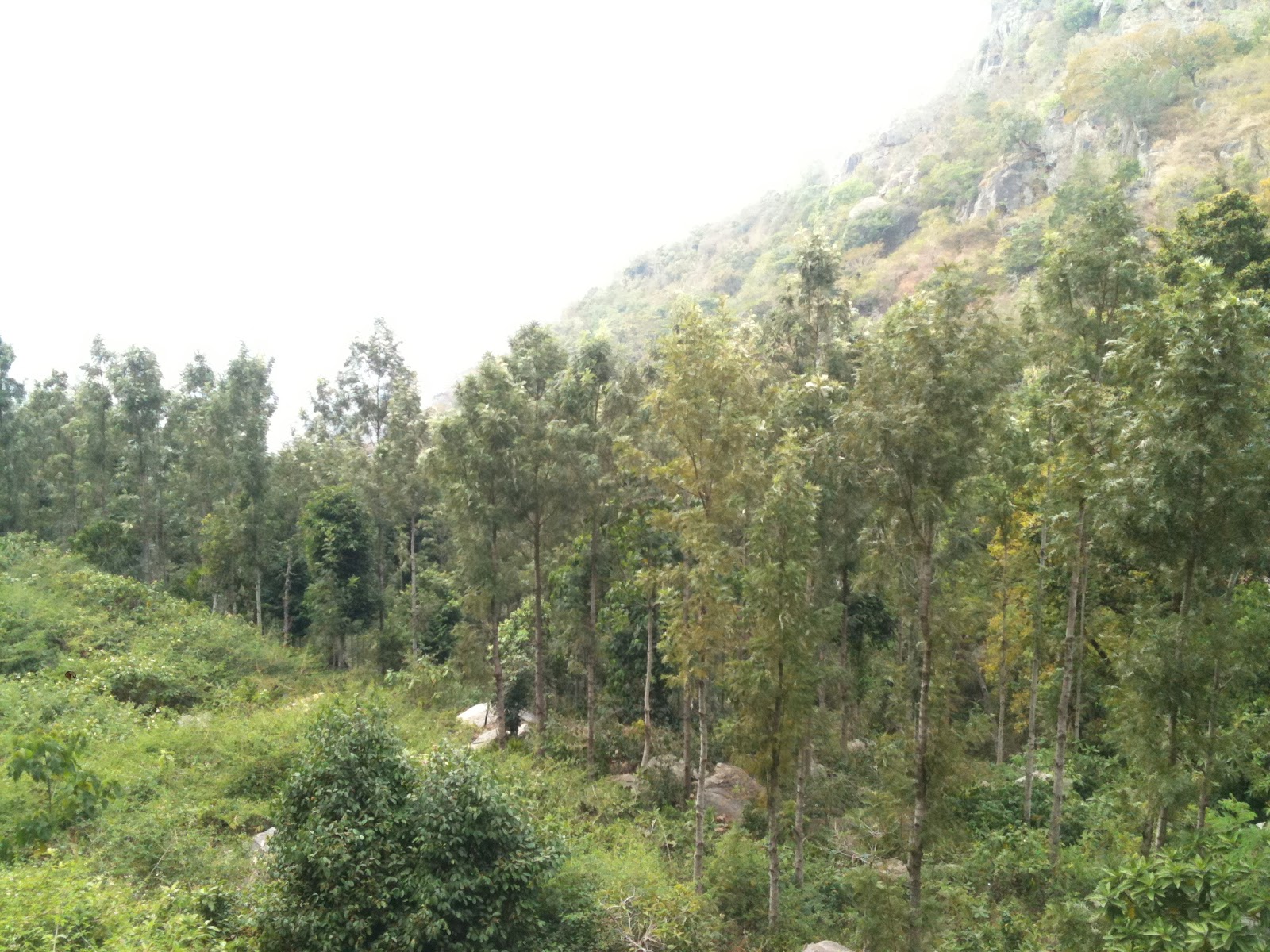
The below picture was taken in Yercaud Lake. The Yercaud Lake is undoubtedly one of the not-to-miss places to see in Yercaud. Providing stunning, panoramic views of the hills and lush green lawns of this hill station, this Lake also barges out as one of the most sought after destinations in Yercaud.
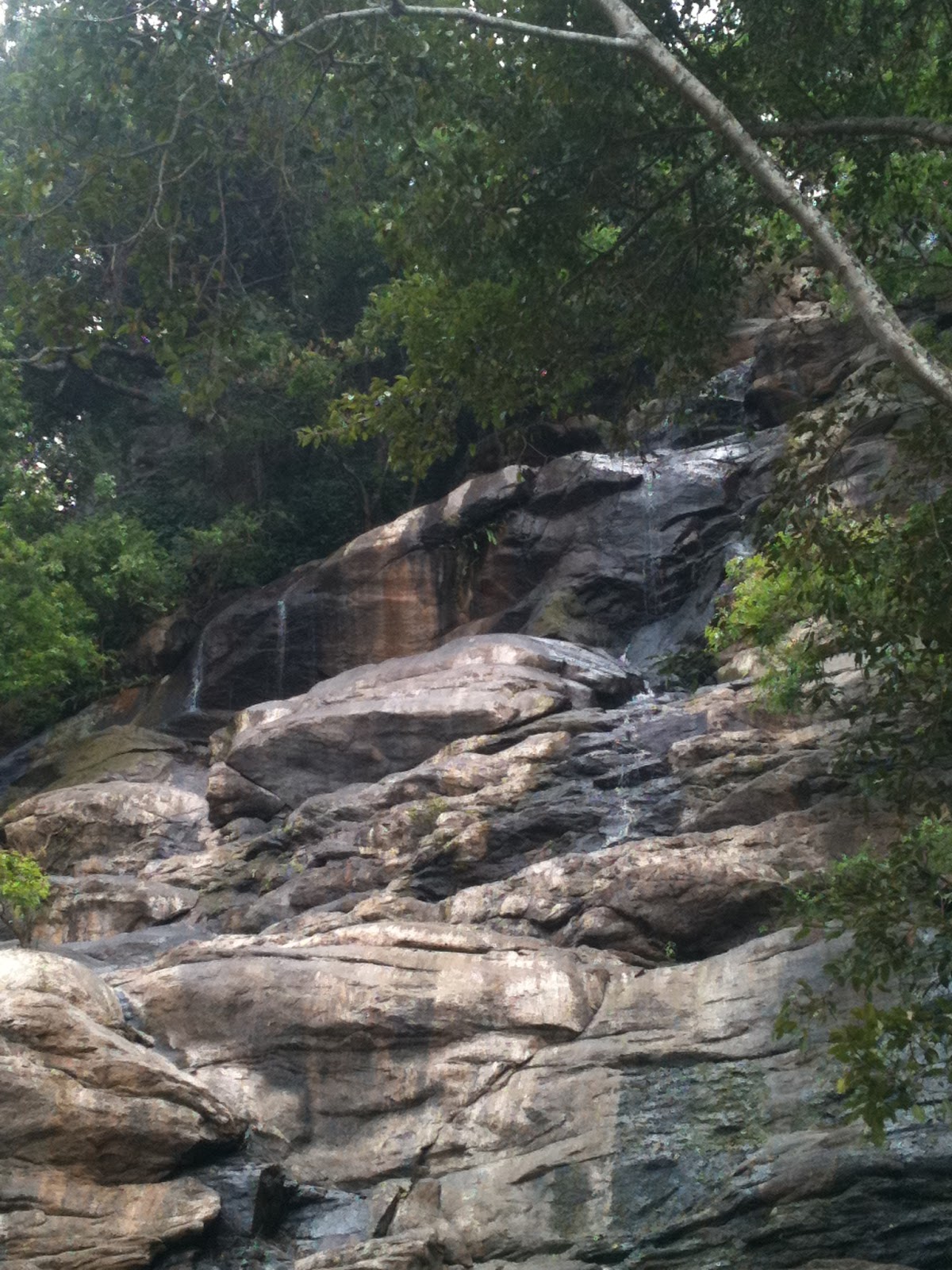
There are many places that you can go for trekking. There is a waterfall named 'Kiliyur Waterfall' near Yercaud big lake. Since this waterfall is located close to the Yercaud Lake, while travelling to the waterfall, the visitors can also visit the other places and can have the fun of a picnic and boating activities.

The Servaroyan Temple is one of the best places to visit in Yercaud. Located at the highest point of this hill station, the temple offers incredible insight into the spiritual development of this region.

Away from the bustling life of Yercaud, the Pagoda Point is the perfect getaway to embrace the mind with solace and tranquility.

Silk farm and Rose Garden, Located two kilometers off Yercaud, this is a sightseeing activity destination, which is also considered as an offbeat destination for the travelers.

Deer Park - for all the nature and animal lovers as well as those who has kids in their family; especially kids who holds a gleeful aspect for animals, this park is must-to-visit place in Yercaud.

Sunday, October 14, 2012

Jaipur

Jaipur is the capital and largest city of the Indian state of Rajasthan in Northern India. It was founded on 18 November 1726 by Maharaja Jai Singh II, the ruler of Amer after whom the city is named. As of 2011, the city has a population of 3.1 million, making it the tenth most populous city in the country. Jaipur is also known as the Pink City of India.

Amer Fort is located in Amer, a town with an area of 4 square kilometers located 11 kilometers (6.8 mi) from Jaipur, Rajasthan state, India. Located high on a hill, it is the principal tourist attraction in the Jaipur area. The town of Amer was originally built by Meenas, and later it was ruled by Raja Man Singh I.


Amer Fort is known for its artistic Hindu style elements. With its large ramparts and series of gates and cobbled paths, the fort overlooks Maota Lake.


Hawa Mahal is a palace in Jaipur, India, so named because it was essentially a high screen wall built so the women of the royal household could observe street festivals while unseen from the outside. Constructed of red and pink sandstone, the palace sits on the edge of the City Palace, and extends to the zenana, or women's chambers.

We went to a local restaurant where we have been served with traditional Rajasthan food.
Inside Amber Fort
Amitabh bachchan look alike..)
Jal Mahal is a palace located in the middle of the Man Sagar Lake in Jaipur city, the capital of the state of Rajasthan, India.

Went for a camel riding ..)
The Jantar Mantar monument of Jaipur, Rajasthan is a collection of nineteen architectural astronomical instruments, built by the Rajput king Sawai Jai Singh, and completed in 1734 CE. It features the world's largest stone sundial, and is a UNESCO World Heritage site.


Saturday, October 13, 2012

Agra

Agra is a city on the banks of the river Yamuna in the northern state of Uttar Pradesh, India. It is 378 kilometers (235 mi) west of the state capital, Lucknow, 206 kilometers (128 mi) south of the national capital New Delhi and 125 kilometers (78 mi) north of Gwalior.

It is a major tourist destination because of its many splendid Mughal-era buildings, most notably the Taj Mahal, Agra Fort and Fatehpur Sikrī, all three of which are UNESCO World Heritage Sites.


The Taj Mahal is an ivory-white marble mausoleum on the south bank of the Yamuna river in the Indian city of Agra. It was commissioned in 1632 by the Mughal emperor, Shah Jahan (reigned 1628–1658), to house the tomb of his favorite wife, Mumtaz Mahal. The tomb is the centerpiece of a 17-hectare (42-acre) complex, which includes a mosque and a guest house, and is set in formal gardens bounded on three sides by a crenelated wall.


Construction of the mausoleum was essentially completed in 1643 but work continued on other phases of the project for another 10 years. The Taj Mahal complex is believed to have been completed in its entirety in 1653 at a cost estimated at the time to be around 32 million rupees, which in 2015 would be approximately 52.8 billion rupees (US$827 million).


The construction project employed some 20,000 artisans under the guidance of a board of architects led by the court architect to the emperor, Ustad Ahmad Lahauri.


The Taj Mahal was designated as a UNESCO World Heritage Site in 1983 for being "the jewel of Muslim art in India and one of the universally admired masterpieces of the world's heritage". Described by Nobel laureate Rabindranath Tagore as "the tear-drop on the cheek of time".


It is regarded by many as the best example of Mughal architecture and a symbol of India's rich history. The Taj Mahal attracts 7–8 million visitors a year. In 2007, it was declared a winner of the New7Wonders of the World (2000–2007) initiative.

Flowers carved in marble.


Agra Fort is the former imperial residence of the Mughal Dynasty located in Agra, India. It is also a UNESCO World Heritage site and is about 2.5 km northwest of its more famous sister monument, the Taj Mahal. The fort can be more accurately described as a walled city.


Panch Mahal is a five-story palace in Fatehpur Sikri, Uttar Pradesh, India.